
Life Is a Language Model
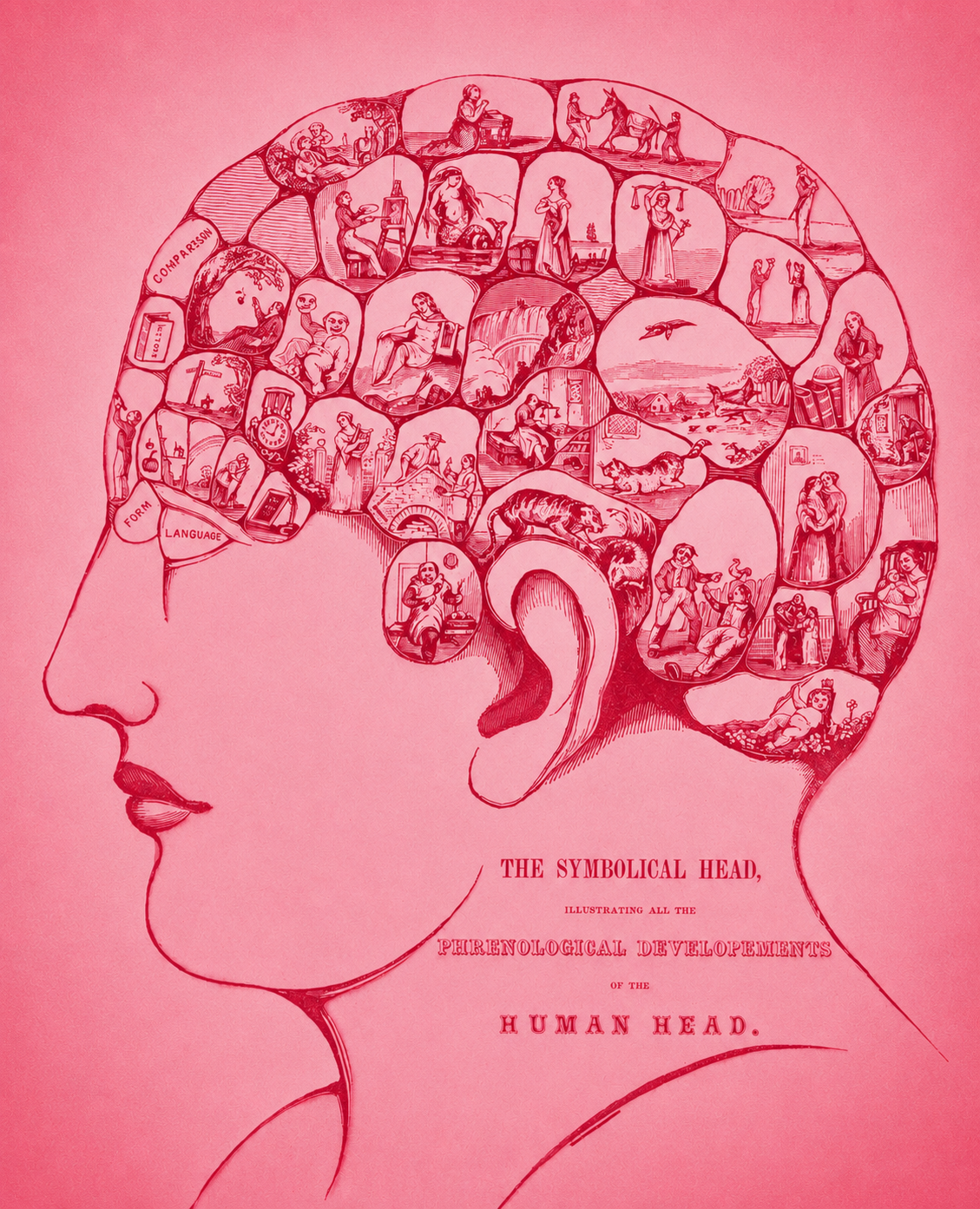
More than ever, enduring value comes from lived experience. Nothing lives forever if it never lived at all.
It’s the oldest and largest of language models. We try to find the words for it. Always have. Those who can't find words draw pictures, dance, crunch numbers, open a bakery and use croissants as their love language.
It all counts, if you make it count.
You will speak around 400 million words in your lifetime. You'll hear perhaps twice that (even if you’re a bad listener). And read 250 to 500 million more.
We are immersed in language so completely that we stop noticing it the way fish stop noticing water. It’s the framework of stories and symbols we inherit and the ones we create.
Language is not merely a tool to describe human experience. It is the experience.
Well, software ate all that.
Welcome to the Voidcast
What's coming out the other side is Voidcast.
It comes in two forms. One manufactures language from patterns, the other manufactures identity from performance. Both are optimized for transaction more than real relation.
The first is generative: words, music, images, ideas can spawn at whim, effectively from nowhere and no one. AI did not create this. More words were published on a random Tuesday in 2012 than in all the days before the 20th century combined. A lot of that is parroted slop, too. AI just industrialized it.
The second is performative: the curated reel, the filtered face, the influencer's constructed realness. Institutions speaking in vetted sentences. Personal brands sanded of anything that risks something.
Both are increasingly disembodied from lived experience by the same transactional intent. You are eyeballs for content, clicks, carts. No one has to mean it. A system is prompted. No relationship forms. Nothing persists.
We know this. We have developed advanced radar for hollowness. It’s a life skill to know that the purely generative and the performative are two dialects of the same lifeless language.
After a few decades helping companies find their voice, I've learned to look for the awkward sentence someone blurts out in a workshop. Or details that come from listening closely, not big promises from lofty headlines. Things that say this is a company of humans serving humans.
On the Lookout for Livesource
Which is why, when something real breaks through, the world dances around it as though someone just invented the bonfire.
The CEO of McDonald's took an awkward burger bite and earned more attention than $100 million in ad spend
Montaigne invented the personal essay by writing about his kidney stones
Videos of people dumping ice on their head may help cure ALS
Bob Dylan got booed for playing electric, and Baby Boomers are still apeshit about it
Livesource breaks through. It doesn't matter whether the medium is a conversation, a novel, a loaf of bread, or a prompt. What matters is whether there's a life upstream of it. It’s evidence that you paid for what you know with actual experience. Maybe even visible scar tissue.
The particular is by definition improbable. It is not the digested average of all previous experience. It could only have come from one place. That improbability is now the signal.
Livesource is what creates a relationship. We aren’t loyal to outputs. We’re loyal to sources.
Think of every band, brand, author, filmmaker, baker, or maker you have ever been genuinely loyal to. You could scratch the surface and find humans underneath with a backstory, a forward story, a whole world you could belong to.
But the counterintuitive truth about livesource is that the most durable expression is not self-promotion. It is self-surrender.
You offer up the specific, mortal particular of your experience not to be known but to say something bigger than yourself. To become, paradoxically, the next anonymous. The one who conveys something so true that people forget where it came from, having long ago made it their own.
No one knows who first said "this too shall pass," but every culture claims it. "Know thyself" was carved at Delphi and it's still the whole assignment. Who invented bread, anyway?
What made these immortal is not who made them. It's what we did with them. The ways they changed how people thought, felt, shared, and acted. They are no less true today.
Facts inform people, but lived truth moves them. The kind that when you scratch the surface doesn't reveal a server beneath or a filter over. The kind that gives you something to do, something to feel, something to carry.
The Ultimate Scarce Source
In a new world level of laissez faire language, we now know the scarce resource is lived experience.
You bump your one strand of DNA against a lifetime of accidents, choices, failures, and loves, and you get infinity.
Expression is free. What breaks through gets more particular, more earned, more relational, more impossible to replicate.
Meanwhile, creating and consuming disposable, meaningless voidcast can become a way of life. Like junk food.
So the question is the same whether you’re asking yourself or prompting AI:
What do you know? Actually know that you paid for with time or failure or love?
That’s enduring value.
To be immortal, you have to be more mortal than ever.
Because life’s a language model.
And nothing lives forever if it never lived at all.